- The Ultimate Emergency Food Rotation System: Never Waste Another Meal Again
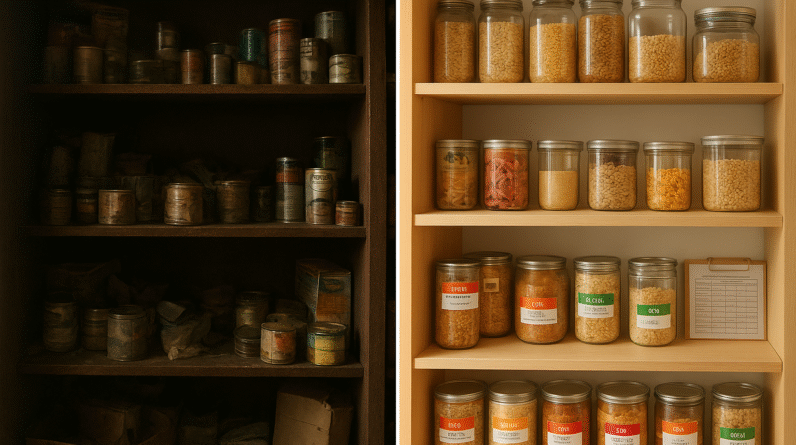
Imagine opening your pantry during an emergency and realizing half your supplies have expired. The cans are dusty, the pasta’s gone stale, and that once “long-lasting” oatmeal smells… off. It’s a small mistake, but one that can turn a confident prepper into a panicked one overnight.
That’s why an emergency food rotation system isn’t optional — it’s essential. It’s the difference between hope and assurance, between “I think I’m ready” and “I know I’m ready.”
A good system doesn’t just keep your food fresh. It saves money, builds confidence, and eliminates that nagging fear of waste every time you restock. Let’s rebuild your storage into a living, rotating ecosystem that always serves you when you need it most.
Why Every Prepper Needs a Food Rotation System
Preparedness isn’t about stockpiling endless food—it’s about making every calorie count. You could have shelves full of supplies, but if they’re expired, you’re just storing false security.
Food naturally breaks down over time. Nutrients fade, fats go rancid, and dry goods slowly absorb moisture from the air. Without rotation, even the best-stocked pantry eventually loses its power.
The Psychology Behind Food Waste
We’ve all felt it—that quiet guilt when tossing out old food. Psychologists call it a loss-aversion trigger. It’s not just about the money; it’s about waste, control, and uncertainty. A rotation system helps you reclaim that control. Instead of reacting to spoilage, you anticipate it. You stay one step ahead.
The Real Payoff: Freshness and Savings
The beauty of a rotation system is in its rhythm: you use what you store, and you store what you use. Nothing sits too long, and nothing gets forgotten. Every meal becomes part of a cycle of readiness—fresh, efficient, and sustainable.
Understanding the FIFO Principle (First In, First Out)
If there’s one rule to memorize, it’s FIFO—First In, First Out. It’s how restaurants, grocery chains, and professional kitchens keep products safe and profitable. And it works beautifully in your pantry.
The idea is simple: the first items you buy should be the first ones you use. Every time you restock, newer goods move to the back, and older ones shift forward.
Making FIFO Work in Real Life
For canned food: line up your cans so that labels face forward and dates are visible. Write the expiration or purchase date with a marker on top.
For dry goods: use airtight containers. Label them with the date you packed them. Store similar items together, like grains on one shelf and baking goods on another.
How Long Things Actually Last
- Canned veggies: 2–5 years
- Canned meats: 3–5 years
- Dried fruits: 1–2 years
- Rice, oats, legumes: 8–12 months (longer if sealed properly)
- Freeze-dried meals: up to 25 years
Rotation isn’t about paranoia—it’s about precision. You don’t have to obsess over every date, just keep things moving.
Building a Smart Emergency Food Rotation System
An effective system isn’t complicated—it’s consistent. Think visibility, habit, and a little automation.
Step 1: Label Everything
Color-coded labels make rotation nearly effortless:
- Red: Use soon (within 6 months)
- Yellow: Medium term (6–12 months)
- Green: Long-term (1 year or more)
When you can see the cycle, you trust the system.
Step 2: Keep an Inventory
Create a simple spreadsheet or use an app to track what you have and when it expires. List the category, quantity, and shelf life. Post it right inside your pantry door.
Your goal isn’t perfection—it’s awareness.
Step 3: Stick to a Routine
Here’s a low-stress rhythm that works:
- Weekly: Use at least one stored item in a normal meal.
- Monthly: Replace what you used and check dates on short-term goods.
- Quarterly: Audit your pantry for damaged or bloated cans.
- Annually: Reassess your supply, family needs, and meal patterns.
Small actions, repeated often, will keep your food stockpile fresh for years.
Step 4: Use Technology to Help
Apps like Pantry Check, Sortly, or Prepper Inventory can track expiration dates and even alert you before something spoils.
Prefer analog? A dry-erase board works wonders. Write your upcoming expirations in one column, and cross them off as you rotate.
Common Mistakes That Waste Food
Even the most organized people slip up. Here are the most common pitfalls—and how to avoid them.
Overbuying and Losing Sight of What You Have
Bulk deals are tempting, but if your shelves are jammed, visibility disappears. Out of sight really does mean out of mind. Instead, buy within your rotation window—enough to replenish, not overwhelm.
Ignoring Expiration Date Ranges
Dates are guides, not laws. A can a few months past its date may still be fine—but don’t let that be an excuse to procrastinate. Rotate proactively. The key is consuming strategically, not reactively.
Maintaining Your System for the Long Haul
The best systems are the ones that feel natural. Once rotation becomes part of your household rhythm, it takes almost no effort.
Do Seasonal Checkups
At the start of each season, take 30 minutes to walk your pantry:
- Toss anything leaking, rusting, or swollen.
- Restock essentials your family actually eats.
- Check for humidity, pests, and temperature shifts.
These tiny audits protect thousands of dollars of food investment.
Make It a Family Habit
Get everyone involved. Kids can help label cans. Partners can update the list. Every person who eats from your pantry should know how the system works. It’s not just food management—it’s family resilience.
When rotation becomes routine, your pantry turns from a storage room into a self-sustaining cycle of readiness.
FAQ: Quick Answers for Efficient Food Rotation
Q: How often should I rotate food?
At least once a month for pantry staples. For long-term items, every 3–4 months is ideal.
Q: What if I find expired cans?
If they’re not rusted, leaking, or bulging, they’re often still safe—just check texture and smell before using.
Q: How do I handle freeze-dried food?
Leave it sealed until you need it, then note the opening date. Once opened, consume within a few months.
Q: What’s the easiest way to start rotating?
Start small. Label one shelf, create a quick list, and commit to using one “storage meal” per week. Momentum builds naturally.
Products / Tools / Resources
- Pantry Check App – Simple barcode-based food tracker.
- Prepper Inventory – Designed for long-term food storage management.
- Food Rotation Labels (Color Code System) – Available on Amazon or prepper supply stores.
- Airtight Storage Containers – Protect dry goods from moisture and pests.
- FIFO Can Rotator Racks – Metal or plastic systems that automatically feed older cans forward.
This isn’t just about keeping food fresh—it’s about keeping confidence alive. A well-rotated food supply means your family is always ready, your budget is protected, and your peace of mind never expires.
When you open your pantry and know everything in it is ready to serve you, you’ve achieved something rare in preparedness: calm control.