Creating a Thriving Community Garden: Insider Tips, Hidden Gems, and Expert Insights
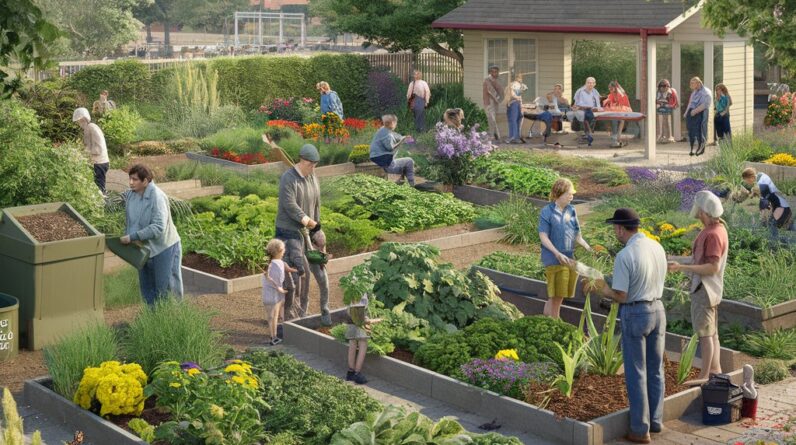
A community garden is more than just a plot of land; it’s a vibrant hub where people come together to share resources, knowledge, and a love for nature. Building a thriving community garden requires careful planning, collaboration, and a deep understanding of what makes such projects successful. Here, we’ll explore insider tips, hidden gems, and expert insights to help you cultivate not just plants, but a strong community.
1. Start with a Clear Vision and Purpose
Every successful community garden begins with a clear vision. Why do you want to create this garden? Is it to grow fresh produce for your neighborhood, to educate others about sustainable gardening, or simply to provide a green space for relaxation? Defining your purpose early on will guide every decision you make, from the type of plants you choose to the way you organize volunteers.
Insider Tip: Involve potential participants in the planning process from the very beginning. Host a community meeting to gather ideas, set goals, and assign roles. This inclusive approach ensures that everyone feels a sense of ownership and responsibility for the garden’s success.
2. Location, Location, Location
Choosing the right location is crucial. Look for a spot that gets plenty of sunlight, has good soil, and is easily accessible to the community. If you’re working in an urban area, consider spaces that are underutilized, such as vacant lots, rooftops, or even the grounds of local schools or community centers.
Hidden Gem: Urban areas often have hidden potential in unexpected places. Explore partnerships with local businesses, churches, or public institutions that might be willing to donate land or resources. Even a small plot can become a thriving garden with the right care.
3. Secure Resources and Support
Gardening requires tools, seeds, soil, water, and often, financial support. While these might seem like significant hurdles, they can be overcome with a bit of creativity and community effort. Local businesses might be willing to sponsor the garden in exchange for advertising space, or you might receive donations of seeds and tools from gardening stores.
Expert Insight: Crowdfunding has become an increasingly popular way to gather financial support for community projects. Platforms like GoFundMe or Kickstarter can help you raise the funds needed to purchase supplies or cover ongoing costs. Additionally, look into grants offered by local governments or nonprofit organizations that support urban agriculture and community development.
4. Design with Diversity in Mind
A diverse garden is a healthy garden. When planning your garden, aim for a mix of vegetables, herbs, flowers, and even fruit trees if space allows. Diversity helps attract beneficial insects, improves soil health, and can make the garden more resilient to pests and diseases.
Insider Tip: Incorporate native plants into your garden design. Native species are well-adapted to your local climate and soil conditions, which means they require less water and maintenance. They also provide essential habitats for local wildlife, contributing to the overall health of your environment.
5. Build a Strong Community Network
The strength of a community garden lies in the community itself. Building a network of volunteers, experts, and supporters is essential to maintaining the garden over time. Consider forming committees to handle different aspects of the garden, such as maintenance, outreach, and education.
Hidden Gem: Partner with local schools, gardening clubs, or environmental organizations. These groups can provide volunteers, resources, and educational opportunities that benefit both the garden and the community at large. Hosting workshops or garden tours can also attract new members and increase community engagement.
6. Foster Continuous Learning
A community garden is a perfect place for learning and sharing knowledge. Encourage garden members to exchange tips and tricks, whether it’s through informal conversations, organized workshops, or a shared newsletter. This not only improves the garden’s productivity but also strengthens the bonds between participants.
Expert Insight: Consider creating a mentorship program where experienced gardeners pair up with beginners. This one-on-one learning experience can be incredibly rewarding and ensures that gardening knowledge is passed down to the next generation of community gardeners.
7. Plan for Sustainability
For a community garden to thrive in the long term, sustainability must be at the forefront of your planning. This includes everything from water conservation techniques, such as drip irrigation and rainwater harvesting, to composting organic waste and choosing eco-friendly materials for garden beds and pathways.
Insider Tip: Implement a rotational planting system to keep the soil healthy and productive year after year. Rotating crops reduces the risk of soil depletion and pest buildup, ensuring that your garden remains fertile and vibrant.
8. Celebrate Your Successes
A community garden is as much about the people as it is about the plants. Regularly celebrate your garden’s successes, whether it’s a bountiful harvest, a new volunteer joining the team, or simply the joy of spending time together in a green space. Hosting seasonal events, potlucks, or harvest festivals can be a great way to bring the community together and share the fruits of your labor.
Hidden Gem: Don’t forget to document your garden’s journey. Take photos, share stories, and keep a garden journal. This not only creates a sense of accomplishment but also serves as a valuable resource for future gardeners who want to learn from your experiences.
9. Adapt and Evolve
Gardens are dynamic, and so are communities. Be open to change and willing to adapt your plans as the garden grows. Maybe a certain crop isn’t doing well, or perhaps there’s an opportunity to expand the garden to include a beehive or a small orchard. Flexibility is key to long-term success.
Expert Insight: Regularly seek feedback from garden members and the wider community. This helps you understand what’s working, what could be improved, and how the garden can continue to meet the needs of everyone involved.
10. Leave a Legacy
A community garden can have a lasting impact, not just on the environment, but on the people who participate in it. Think about ways to ensure that the garden continues to thrive, even if the original organizers move on. This could involve setting up a nonprofit organization, securing long-term funding, or creating detailed guides for future gardeners.
Insider Tip: Consider establishing a “garden charter” or set of guidelines that outline the mission, values, and operational procedures of the garden. This document can help maintain continuity and ensure that the garden remains a positive and inclusive space for years to come.
Creating a community garden is not just about growing plants; it’s about cultivating connections and nurturing a shared vision for a greener, more sustainable future. Whether you’re just starting out or have years of gardening experience, your journey can inspire others.
We want to hear from you! Share your thoughts, tips, or questions in the comments below. Have you been part of a community garden, or are you planning to start one? What challenges and successes have you encountered? Don’t forget to share this post with others who might be interested in joining or starting a community garden. For more insights on sustainable living and community initiatives, explore our related content and stay connected with our gardening community.
Let’s grow together! 🌱