7 Simple Steps to Start a Thriving Community Garden Today!
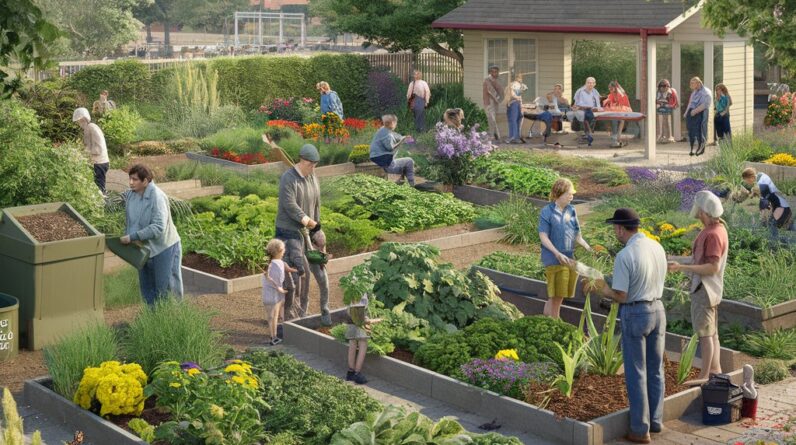
Ready to bring your neighborhood together and grow something amazing? Starting a community garden is a fantastic way to build connections, share resources, and cultivate fresh, healthy food. Whether you’re a seasoned gardener or just getting started, this step-by-step guide will show you how to create a thriving community garden. Let’s get started!
1. Gather Interest & Build a Team
The first step is finding others who are just as excited about the idea as you are. Reach out to your neighbors, local organizations, or schools. The more people involved, the easier—and more enjoyable—this project will be.
Quick Tips:
Host a Meeting: Get everyone together to brainstorm and assign tasks. Having different people responsible for things like planning, outreach, and finances will keep things organized.
Set Up a Social Media Group: Creating a Facebook group or a WhatsApp chat makes it easy to stay connected, share updates, and organize events.
Real-Life Example:
In Portland, Oregon, a small group of neighbors turned a vacant lot into a flourishing community garden. What started as an idea between five people quickly blossomed into a vibrant space for families, seniors, and even local schools to get involved. The key to their success? Collaboration and clear roles.
2. Find the Perfect Spot
Now that you have your team, it’s time to find the best location for your garden. Ideally, you want a sunny spot with at least 6–8 hours of sunlight per day and easy access to water. Reach out to local governments or businesses about unused land, vacant lots, or parks.
Step-by-Step Guide to Finding the Right Location:
Check Sunlight: Visit the potential site at different times of the day to ensure it gets enough sunlight.
Test the Soil: If the soil quality is poor, you can bring in compost or build raised beds.
Ensure Water Access: Whether through a hose, rain barrel, or nearby spigot, water access is crucial.
Get Permission: Contact landowners or local officials to ensure you have legal access to the space.
Pro Tip:
Using raised beds is a great solution if your soil quality isn’t ideal. They’re also easier to maintain and allow for better drainage and weed control.
Success Story:
In Chicago, a group of residents turned a long-abandoned lot into a thriving garden. They partnered with the local government to secure the land, installed rain barrels to collect water, and brought the neighborhood together to plant vegetables and flowers.
3. Secure Funding & Resources
A community garden requires tools, seeds, compost, and sometimes fencing. But don’t worry—there are many ways to secure funding and resources. From grants to local business donations, there’s a solution for every budget.
Fundraising Ideas:
Crowdfunding: Platforms like GoFundMe can help you raise money while spreading awareness.
Apply for Grants: Look for grants specifically aimed at community-building projects. In 2024, organizations like Whole Foods and the USDA offer urban agriculture grants.
Ask for Donations: Many local businesses are happy to donate tools, seeds, or materials in exchange for community recognition.
Example:
A community garden in Detroit raised over $5,000 by hosting a “plant-a-thon,” where community members pledged donations for every new plant added. This created a fun, interactive event and funded the garden’s initial setup.
Pro Tip:
Check with your local government for grant opportunities or fundraising support. They may have small business or environmental sustainability grants available.
4. Design Your Garden Layout
A well-planned garden layout makes all the difference. Whether you’re going for individual plots or a communal design, map out paths, garden beds, compost areas, and water stations.
How to Plan a Garden Layout:
Decide on the Type of Garden: Will it be communal, where everyone shares the space, or will individuals manage their own plots?
Create Pathways: Make sure paths are wide enough for wheelbarrows and easy movement between plots.
Plan for Growth: Leave space for future expansion or features like a compost area or greenhouse.
Think About Water: Install rain barrels or place water stations near key planting areas.
Pro Tip:
Use companion planting to maximize your space and yields. For example, tomatoes and basil grow well together and help deter pests.
Real-Life Example:
In San Francisco, the Jackson Street Community Garden started small but left room to expand. Over time, they added an outdoor classroom, a greenhouse, and even a butterfly garden. Their layout allowed for future growth while keeping the garden organized and functional.
5. Establish Garden Rules
Creating rules helps the garden run smoothly and avoids misunderstandings. Set clear expectations for plot assignments, maintenance, and how the produce will be shared.
Sample Rules:
Plot Assignments: Use a fair system like a lottery or first-come, first-served to allocate plots.
Maintenance Schedules: Set up a rotating schedule for tasks like watering, weeding, and composting.
Harvesting Guidelines: Decide how produce will be shared, whether by the individual plot owner or through communal harvests.
Pro Tip:
Establish a process for resolving disputes or enforcing the rules. Open communication is key to preventing small issues from becoming big problems.
Example:
In Seattle, a community garden created a rule that everyone must contribute at least one hour of work per week. This ensured that the garden remained well-maintained without overwhelming any single person.
6. Host Workshops & Share Knowledge
One of the biggest perks of a community garden is the chance to learn from others. Host workshops on gardening basics, composting, and organic growing. You can also invite local experts to share their knowledge.
Workshop Ideas:
Composting 101: Teach members how to compost kitchen scraps and garden waste to create nutrient-rich soil.
Organic Gardening: Offer lessons on organic pest control and sustainable growing practices.
Pro Tip:
Organize monthly workshops based on the season, such as “Preparing Your Garden for Winter” or “Spring Planting Tips.” This keeps people engaged throughout the year.
Success Story:
In Brooklyn, a community garden brought in local horticulturalists to run monthly workshops. Participation grew, yields improved, and members felt more connected to the garden.
7. Maintain, Harvest & Celebrate Together
Once the garden is thriving, it’s important to keep it well-maintained. Set up a system where members rotate responsibilities for weeding, watering, and general upkeep. When it’s time to harvest, make it a community celebration!
Tips for Long-Term Success:
Garden Journal: Encourage members to track what they plant and how it performs. This will help the garden improve year after year.
Celebrate the Harvest: Host events like a harvest festival or a communal meal to celebrate your successes and share your bounty with the neighborhood.
Pro Tip:
Create an online calendar for members to sign up for maintenance shifts. This way, everyone can contribute, and tasks don’t fall to just one person.
Example:
A garden in Austin, Texas, created a digital calendar where members could sign up for weekly tasks. It helped them stay organized, and no one felt overwhelmed with responsibility.
Let’s Grow Together!
Creating a community garden is about more than just growing vegetables—it’s about growing relationships, sharing knowledge, and building a sense of community. By following these 7 simple steps, you can create a garden that provides fresh food and fosters a deep connection among your neighbors.
We want to hear from you! Have you ever been part of a community garden, or do you have tips to share with others who are just getting started? Leave a comment below and share your experience! Don’t forget to share this post with friends, or on social media to inspire more people to get involved. Looking for more ideas? Explore our related articles on sustainable living and urban gardening for even more inspiration!
P.S. Imagine stepping into your own backyard and picking fresh, organic produce—straight from your garden. No more relying on overpriced grocery stores or worrying about harmful chemicals. Whether you’re a seasoned gardener or just starting out, this is your golden ticket to creating a thriving garden, effortlessly. Trust me, this is the ultimate solution you’ve been waiting for. Don’t miss out on transforming your outdoor space into a food-producing paradise! Get started here before it’s too late!