Survive Any Crisis: The Ultimate Guide to Food & Water Prep
Imagine this: The wind is howling outside on a chilly evening. Leaves rustle down empty streets as you sit comfortably in your living room, enjoying a warm cup of tea. Suddenly—boom! The power goes out. Darkness envelops your home. You reach for your phone, only to see the battery is nearly dead. What do you do next? Are you truly prepared?
Level 1: Mastering the Art of Stockpiling
Welcome to the first step of your emergency preparedness journey! Before the uncertainty takes hold, let’s evaluate your food reserves.
Mission: Create a reliable emergency food supply that will sustain your family for at least three months. The challenge? You’re working with a limited budget and storage space.
Actionable Tips:
Begin with the Essentials: Focus on long-lasting food items like rice, beans, canned goods, and pasta. These staples are affordable, have a long shelf life, and can serve as the foundation for many meals.
Variety is Key: Don’t rely on just one type of food. Variety is crucial to avoiding “food fatigue” during a crisis. Incorporate canned fruits, vegetables, and protein sources like tuna or chicken into your stockpile.
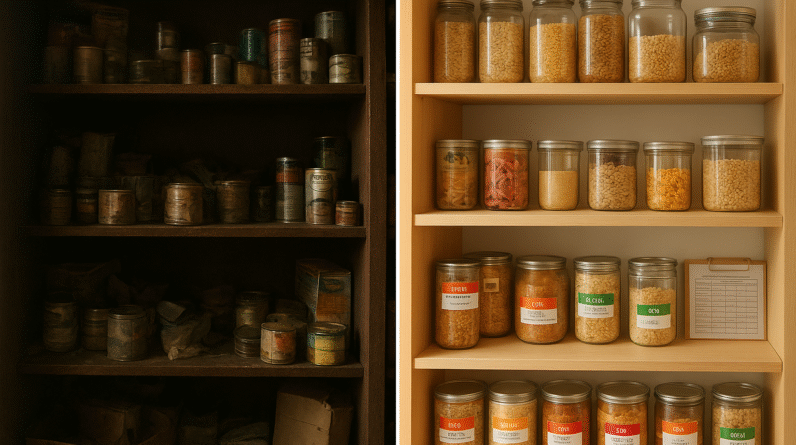
Rotate Regularly: Use and replenish your food reserves consistently to prevent spoilage. Follow the “first in, first out” rule.
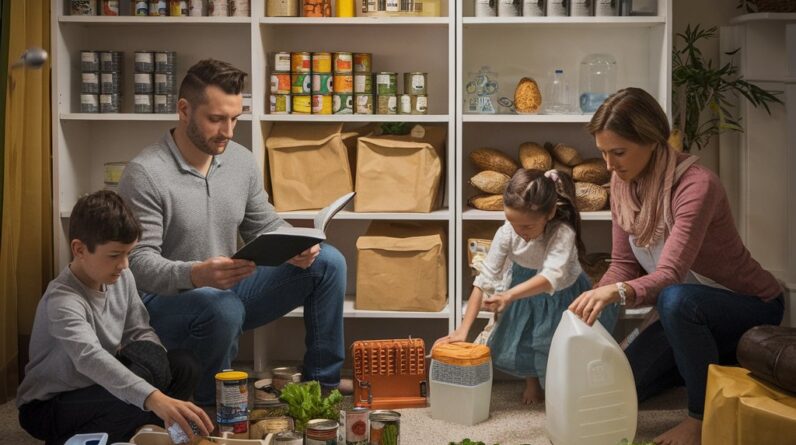
Case Study: The Johnson Family’s Preparedness Journey Meet the Johnsons, a suburban family of four. When the pandemic struck in 2020, they realized they were unprepared for a long-term crisis. They started by buying a few extra cans of food each week. Over six months, they built a diverse, three-month supply of nutritious foods. Today, the Johnsons regularly rotate their stockpile to ensure they’re always ready for the unexpected.
Step-by-Step Guide to Building Your Stockpile:
Assess Your Needs: Calculate how much food your family consumes weekly, then multiply that by 12 to determine your three-month supply goal.
Create a Shopping List: Include a variety of non-perishable foods, considering any dietary restrictions or preferences.
Shop Smart: Gradually build your stockpile by adding a few extra items to your grocery list each week. Take advantage of sales and bulk deals to stretch your budget further.
Store Properly: Use airtight containers to keep your food fresh, and store them in a cool, dark place to maximize their shelf life.
Each item you add to your stockpile brings you closer to preparedness mastery!
Level 2: Securing Your Water Supply
Water is life. Without it, even the best-stocked pantry becomes useless. In this stage, your goal is to ensure a dependable supply of potable water. But be warned—water is often the first resource to run out during a crisis.
Mission: Secure enough clean water to last at least a month, and devise a backup plan for sourcing more if necessary.
Actionable Tips:
Know Your Needs: The average person requires about one gallon of water per day for drinking and sanitation. For a family of four, that’s 120 gallons for a month.
Start Storing: Store water in food-safe containers. While bottled water is convenient, it’s more cost-effective to store tap water in jugs.
Purification Methods: Invest in water purification tools like tablets, a portable filter, or simply boil the water to ensure it’s safe to drink.
Example: Why Water Purification Matters During Hurricane Katrina in 2005, access to clean water became a critical issue. Those who had prepared by storing water and using purification methods fared much better. One survivor shared how a portable water filter was a game-changer, allowing them to safely drink rainwater while others struggled to find clean sources. With the increasing frequency of severe weather events, having a reliable water purification method is more crucial than ever.
Step-by-Step Guide to Water Storage and Purification:
Choose Your Containers Wisely: Only use food-grade containers for water storage. Avoid using old milk jugs, as they can degrade and become unsafe.
Label and Rotate: Clearly label each container with the storage date to ensure you use and replace the water before it goes stale.
Prepare a Backup: Alongside storing water, have a purification method ready. Whether boiling, filtering, or using tablets, ensure your water is safe to consume.
Completing this level grants you an extra life—literally! That extra gallon of clean water could be the difference between comfort and crisis.
Level 3: Preparing for the Long Haul
You’ve nailed the basics, but what if the crisis drags on for months? It’s time to level up with sustainable solutions for long-term food storage and water security.
Mission: Develop long-term strategies for replenishing your food and water supplies.
Actionable Tips:
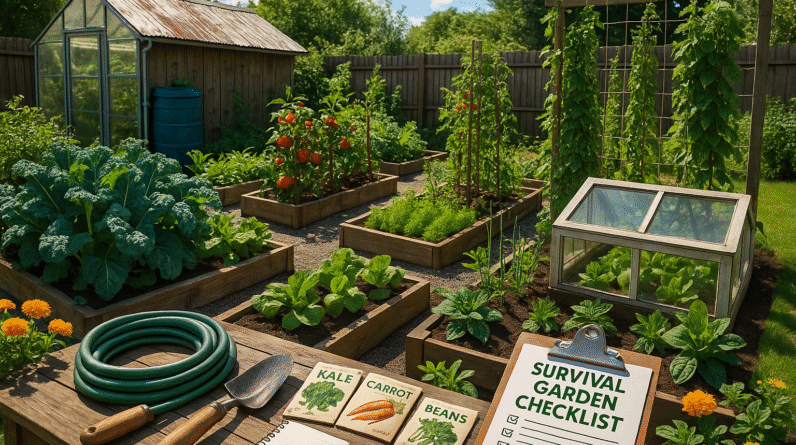
Grow Your Own: Start a garden with resilient, easy-to-grow vegetables like potatoes, carrots, and leafy greens. Short on space? Try vertical gardening or container plants.
Harvest Rainwater: Set up a rainwater collection system to gather and store water. Remember to purify it before use!
Preserve Your Harvest: Learn how to dehydrate fruits and vegetables or can your garden produce. These methods ensure you have a variety of foods available for the long term.
Case Study: Jane’s Garden of Resilience Jane, a single mother, began gardening in her backyard during the pandemic in 2020. What started as a hobby quickly became a crucial food source during a prolonged power outage in 2021. Her garden provided fresh produce to supplement her canned goods, ensuring her family had nutritious meals even when grocery stores were empty. Jane now shares her knowledge with others, teaching them how to grow their own food and become self-reliant.
Step-by-Step Guide to Starting Your Garden:
Select Your Crops: Choose vegetables that are easy to grow and have high yields, like tomatoes, cucumbers, and beans.
Prepare the Soil: Test the pH level of your soil and enrich it with compost or organic matter.
Plant and Care: Follow the planting instructions for each vegetable, and water and weed your garden regularly.
Harvest and Store: Learn when to harvest each crop and how to preserve your produce through canning or drying.
Achieving a thriving garden or rainwater collection system earns you a badge of honor in the preparedness community.
Final Level: The Crisis Simulation
Now it’s time to put your preparedness to the test. The scenario: A natural disaster hits, and you’re isolated from the outside world. How well can you survive?
Mission: Utilize your food and water stockpile and survival strategies to weather the storm. Will you emerge victorious or find yourself scrambling for resources?
Actionable Tips:
Practice Makes Perfect: Simulate a crisis by living off your emergency food stockpile for a week. Note what works well and where there’s room for improvement.
Stay Connected: Keep a battery-powered radio handy to stay informed with updates and instructions from emergency services.
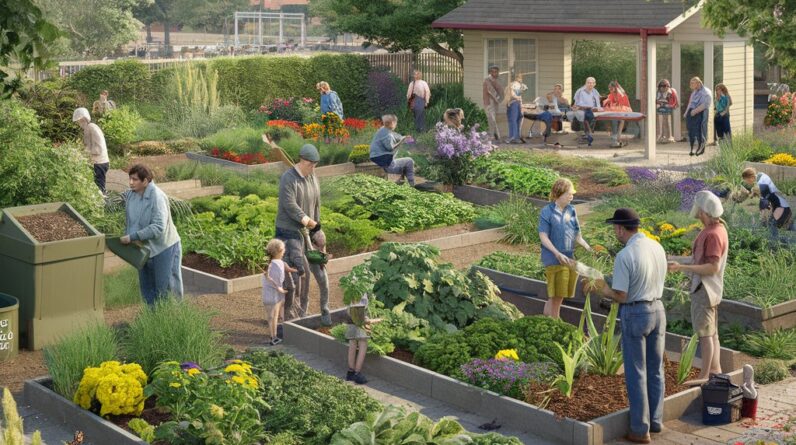
Build Community Ties: Get to know your neighbors. In a crisis, collaboration can be the key to survival.
Example: Testing Your Preparedness In early 2023, the Smith family decided to test their readiness by living off their stockpile for a week. They quickly realized they needed more meal variety and additional water storage. This experience led them to adjust their stockpile and invest in a rainwater harvesting system. The exercise also strengthened their family bonds, highlighting the importance of being prepared.
Step-by-Step Guide to Crisis Simulation:
Set the Date: Pick a week when you can realistically live off your stockpile. Notify your family and plan accordingly.
Keep a Journal: Document everything—what you eat, how much water you use, and any challenges you encounter.
Review and Adapt: After the week ends, review your journal and make the necessary adjustments to your stockpile or preparedness strategies.
Successfully navigating this challenge means you’ve conquered the game. You’re now a food and water preparedness expert, ready for anything life throws your way!
Join the Conversation!
Congratulations! You’ve completed this preparedness journey, but it’s only the beginning. How prepared are you for an emergency? Have you started building your food and water stockpile? Share your experiences, challenges, and tips in the comments below. Let’s create a supportive community of preparedness warriors who are ready to face any challenge together!
Feeling inspired? Share this guide with friends and family on social media. The more prepared we are, the stronger our community becomes. And don’t forget to check out our other resources, from creating the ultimate bug-out bag to mastering self-defense. Click the links and embark on your next adventure!