Survival Gardening Hacks: Advanced Prepper Secrets for Year-Round Food
What Would You Eat If the Grocery Store Was Gone Tomorrow?
Picture this: It’s a regular Tuesday. You reach for your favorite snack, flip on the news—and realize your local grocery shelves are wiped clean. No bread. No veggies. Not even that weird off-brand cereal. Panic? Not for you! Because you’re about to discover the ultimate prepper secret: a survival garden that keeps food on your table all year long, no matter what.
This isn’t just gardening—it’s your ticket to food security, independence, and peace of mind. In this guide, you’ll get real-life case studies, quick-win hacks, and step-by-step instructions for turning any space into a non-stop food factory. If you want to protect your family, beat food shortages, and outsmart uncertainty, read on. Your survival garden adventure starts now!
Why Advanced Survival Gardening Techniques Matter for Preppers
Let’s be real: You can only stack so many cans of beans before you run out of space—or lose your taste for chili. That’s where advanced survival gardening comes in. When store shelves are empty and supply trucks stop rolling, your garden is your lifeline.
But here’s the truth: Basic gardening isn’t enough for year-round food. The smartest preppers use advanced hacks—like extending their growing season, saving seeds, and mastering crop rotation—to produce more food with less work, in less space.
Reader Check-In:
Have you ever wondered how you’d feed your family if the stores closed for weeks? What would your game plan be?
Real-World Survival Gardening in Action: Meet Jane, Urban Prepper
Case Study:
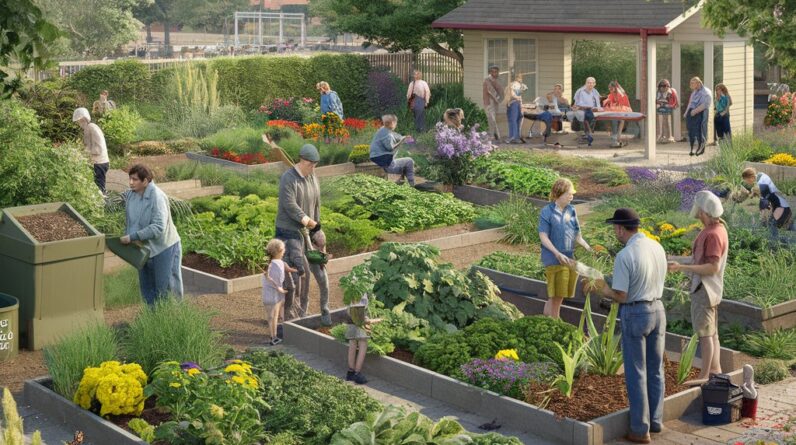
Meet Jane—a single mom in the Midwest who turned her tiny city backyard (about 500 sq. ft.) into a garden that keeps her family eating fresh veggies all year. She started with three raised beds, used old windows for a homemade cold frame, and even set up a rain barrel to water her plants.
Results:
Today, Jane grows over 60% of her family’s vegetables, even through winter, and always has home-saved seeds ready to go. If she can do it in a city lot, so can you!
Pro Tip:
No yard? Use 5-gallon buckets or large containers on your porch, steps, or even a sunny windowsill!
The Secrets to Growing Food All Year—Even When It’s Freezing
Season Extension: Grow Beyond the Usual Season
Want lettuce in January? Or tomatoes before anyone else on your block? You need season extension hacks:
-
Row Covers: Lightweight fabric to protect from frost, wind, and pests.
-
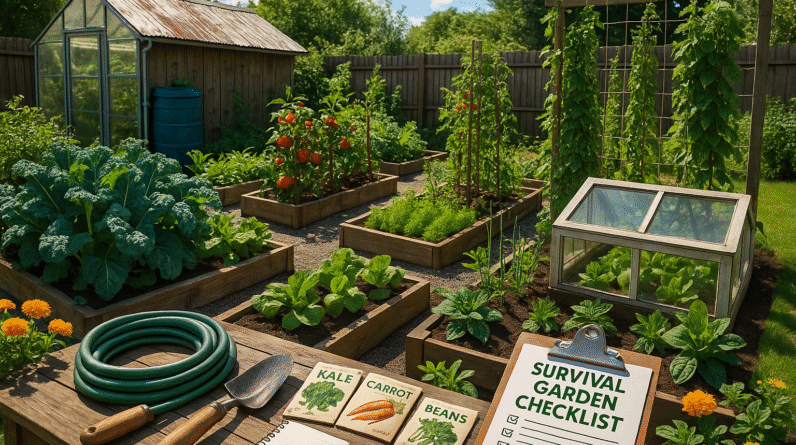
Cold Frames: Mini greenhouses made from old windows—cheap and super effective.
-
Low Tunnels: Hoops plus plastic sheeting = a cozy home for winter veggies.
-
Greenhouses: The ultimate, but even a small one works wonders.
Quick Win:
Layer straw bales around your cold frame for extra warmth when a freeze hits.
Reader Question:
What would you grow first if you could harvest fresh food in the dead of winter?
Step-by-Step: Saving Seeds Like a Pro
Seeds are more precious than gold in a crisis. Here’s the easy way to save your own:
-
Pick the Best: Choose healthy, open-pollinated plants (hybrids won’t grow true).
-
Harvest: Scoop out seeds (from tomatoes, peppers, beans, etc.) once the fruit is fully ripe.
-
Ferment or Dry: For tomatoes, let seeds sit in water for 2–3 days, then rinse. For beans, dry the pods on the plant.
-
Store: Keep seeds dry in labeled envelopes, then in a jar with a silica packet.
Pro Tip:
Store seeds from the first and last fruits—they’re the toughest survivors!
Reader Question:
Have you ever tried saving your own seeds? How did it go?
The Crop Rotation Secret: Healthier Plants, Bigger Harvests
Planting the same thing in the same spot every year is like eating pizza every meal—eventually, you’re going to regret it! Crop rotation means changing up what you plant where, which keeps pests guessing and your soil healthy.
Example:
Year 1: Tomatoes in Bed 1, Beans in Bed 2, Cabbage in Bed 3, Squash in Bed 4.
Year 2: Rotate everything over one bed.
Quick Win:
Rotate by plant family, not just crop—less confusing and better for soil!
Reader Question:
What’s your biggest challenge with rotating crops in your garden?
Soil & Water Management: Feed Your Soil, Feed Your Family
Great soil is your garden’s secret engine. Here’s how to keep it humming:
-
Compost: Add homemade compost every spring.
-
Mulch: Use straw, leaves, or wood chips to lock in moisture and block weeds.
-
No-Till: Avoid digging; just add organic matter on top for happy soil life.
-
Rainwater Harvesting: Use gutters, barrels, and hoses to catch free water.
Pro Tip:
Water early in the morning to cut down on evaporation and stop mildew.
Reader Question:
Does your soil get tired out by midsummer? How do you revive it?
Pest Control Without Chemicals—Yes, Really!
Forget reaching for harsh sprays. Try these natural pest hacks:
-
Plant marigolds, basil, and nasturtiums to chase off bugs.
-
Release ladybugs for aphid control.
-
Hand-pick larger pests in the morning.
Quick Win:
Set shallow pans of beer in the garden at night to trap slugs—works like magic!
Reader Question:
What’s your best trick for outsmarting garden pests?
Small Space? No Problem: Urban and Container Survival Gardening
No yard? No problem. Try these:
-
Vertical Gardens: Grow beans, cucumbers, or squash up a fence or trellis.
-
Container Crops: Use buckets or deep pots for potatoes and tomatoes.
-
Edible Landscaping: Mix herbs and veggies into flower beds.
Checklist:
-
-
At least one raised bed or large pot
-
Six hours of sun
- Rain barrel or water source
- Mulch or compost
- Plants you like to eat!
-
Reader Question:
How creative have you gotten with your gardening space? Share your tips!
Food Preservation: Don’t Let Anything Go to Waste
You grew it—now make it last! Try:
-
Dehydrating: Dry fruits and veggies for snacks or soups.
-
Freezing: Chop and freeze your bounty for easy meals.
-
Fermenting: Make sauerkraut or pickles—great for gut health and storage!
Pro Tip:
Freeze chopped herbs in olive oil cubes for instant flavor bombs all winter.
Interactive: Survival Garden Quiz!
How Survival Ready Is Your Garden?
-
Can you grow food in at least two seasons?
- Have you saved seeds from three or more crops?
- Are you rotating your crops each year?
- Do you have a rain barrel set up?
- Can you identify two good bugs and two bad bugs?
If you checked 4 or more, you’re prepping like a pro! Less? Start small—every step counts.
Linking Up for More Secrets (Internal and External Links)
Want more tips? Check out these trusted resources:
Conclusion: Take the Next Step Toward True Food Security
Survival gardening is your secret weapon for independence and peace of mind.
With these advanced prepper hacks—season extension, seed saving, smart rotation, and resilient soil—you’re ready to feed your family year-round, no matter what happens.
What’s your next gardening goal? Drop your best survival garden tip or question in the comments! Want more? Explore our Prepper Food Security Resources and keep building your self-sufficient future!
P.S. Imagine stepping into your own backyard and picking fresh, organic produce—straight from your garden. No more relying on overpriced grocery stores or worrying about harmful chemicals. Whether you’re a seasoned gardener or just starting out, this is your golden ticket to creating a thriving garden, effortlessly. Trust me, this is the ultimate solution you’ve been waiting for. Don’t miss out on transforming your outdoor space into a food-producing paradise! Get started here before it’s too late!