4 Expert Tips to Make Better Compost
Composting is one of the most sustainable ways to recycle food waste into nutrient-rich fertilizer for your garden. Whether you’re a hobbyist or a serious gardener, creating high-quality compost can significantly boost your plants’ growth. Plus, selling compost can be a lucrative side hustle.
This guide assumes you know the basics of composting. Here, we’ll share four expert tips to enhance the quality of your compost.
1. Choose the Right Location for Your Compost Bin
The location of your compost bin or pile is crucial. It should have good drainage and be placed on level ground. Avoid areas exposed to extreme weather conditions. Cold weather can slow down the decomposition process. To maintain a steady composting process during colder months, consider insulating your compost bin or moving it indoors, such as into a shed. Proper placement ensures a consistent temperature, aiding the microorganisms in breaking down the materials efficiently.
Example: Jane, a home gardener in Minnesota, struggled with composting during winter. After moving her compost bin into her garage and insulating it with old blankets, she noticed a significant improvement in the composting process, even during the coldest months.
Actionable Tip: If you live in an area with harsh winters, try creating a simple insulation system for your compost bin. Use materials like straw bales, old blankets, or foam boards to keep the temperature stable.
2. Aerate Your Compost Regularly for Faster Decomposition
Oxygen is essential for the microorganisms breaking down your compost. Regularly turning your compost pile helps introduce air, speeding up the decomposition process. Aim to mix the dry outer material with the damp center to ensure even decomposition. Prevent tight clumps from forming by regularly raking and aerating the pile. The more you aerate, the faster the compost will turn into rich, fertile soil. Investing in a compost aerator tool can make this task easier and more effective.
Example: Mark, an urban gardener, noticed his compost was decomposing slowly. By turning his compost pile every two weeks with a pitchfork, he managed to speed up the process and produced rich compost in just three months.
Step-by-Step Guide:
Use a pitchfork or compost aerator to turn your compost pile.
Mix the dry outer layers with the moist inner layers.
Break up any clumps to ensure even aeration.
Repeat this process every two weeks for optimal results.
3. Be Selective About What You Compost
Not all food scraps are suitable for composting. Avoid dairy, meat, pet waste, and oily foods as they can create unpleasant odors and attract pests. Stick to plant-based waste, ensuring a good mix of greens (like vegetable scraps and grass clippings) and browns (like dried leaves and cardboard). Adding rolled-up cardboard can create air pockets, aiding the composting process. Adjust the balance by adding more browns if the pile is too wet and more greens if it’s too dry. Always chop larger items into smaller pieces to speed up decomposition.
Example: Sarah, a community gardener, used to add all her kitchen scraps to her compost bin, resulting in a foul smell. After switching to only plant-based waste and balancing greens and browns, her compost became odor-free and more effective.
Actionable Tip: Create a composting checklist to ensure you’re adding the right materials. For example:
Greens: Vegetable scraps, fruit peels, coffee grounds.
Browns: Dried leaves, shredded newspaper, cardboard.
4. Monitor the pH Levels of Your Compost
Optimal pH levels for composting bacteria and worms range between 5.5 and 8. Use a soil test kit to check the pH of your compost regularly. Test multiple samples to get an average reading. Maintaining the right pH ensures a thriving environment for the decomposers, leading to high-quality compost. If the pH is off, adjust it by adding lime to increase alkalinity or sulfur to increase acidity. Regular monitoring and adjustment will keep your composting process on track.
Example: Tom, a small-scale farmer, noticed his compost was not breaking down efficiently. By testing the pH and adjusting it with lime, he optimized the conditions for the composting bacteria, resulting in faster decomposition.
Actionable Tip: Invest in a reliable soil pH test kit and check your compost every month. Adjust as needed to maintain the ideal pH range.
Additional Tips for Superior Composting
Use Worms: Incorporate worms to speed up the composting process. Worms, especially red wigglers, are excellent decomposers and can produce nutrient-rich vermicompost.
Shred Brown Waste: Shredding materials like leaves and cardboard accelerates decomposition. Smaller pieces break down faster, making your compost ready sooner.
Check Moisture Levels: Keep your compost pile moist, not wet. It should feel like a damp sponge. Too much moisture can lead to a slimy, anaerobic mess, while too little slows down the composting process.
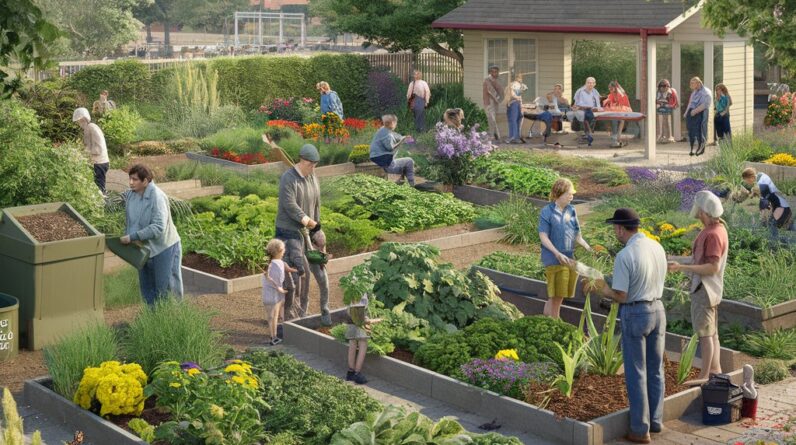
Case Study: Lisa, a schoolteacher, started a composting project with her students. By incorporating red wigglers and regularly shredding brown waste, they produced high-quality compost in just eight weeks, which was then used in the school garden.
By following these tips and continually educating yourself, you’ll master the art of composting. Turning waste into valuable fertilizer not only benefits your garden but also contributes to a more sustainable environment.
Ready to take your composting skills to the next level? Share your composting tips and experiences in the comments below! Don’t forget to subscribe to our newsletter for more gardening tips and sustainable living advice. If you found this article helpful, please share it with fellow gardening enthusiasts. Explore our related content to learn more about sustainable gardening practices and how to make the most out of your compost.