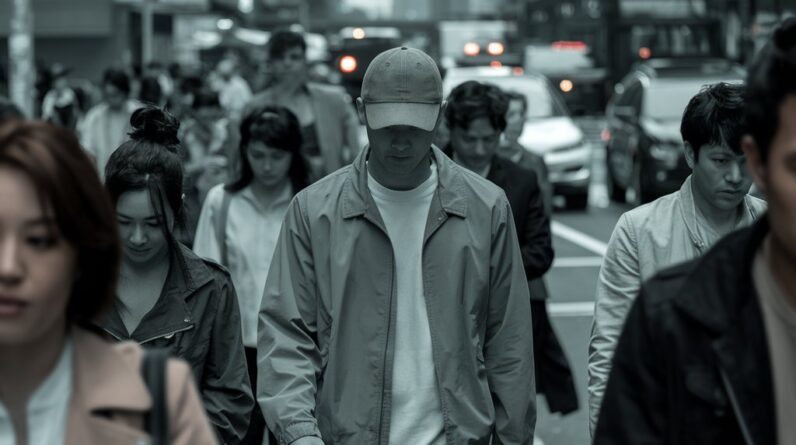
Urban Survival Trends 2025: How to Stay Ready When the System Fails
When Comfort Turns Fragile
Cities once felt indestructible—glowing engines of light, power, and convenience. Yet recent years have revealed an uncomfortable truth: modern comfort rests on fragile systems. A single glitch in a global supply chain, a blackout, or an AI-driven disruption can send millions into confusion.
In 2025, urban survival trends are no longer the obsession of fringe preppers. Instead, they signal a collective awakening—an understanding that resilience is a life skill, not a luxury. As uncertainty spreads, people are learning to live smarter within their cities, turning awareness into action and chaos into control.
Why 2025 Is Changing the Meaning of Survival
From Pandemic Panic to Everyday Preparedness
The pandemic served as a global reset button. It exposed how quickly daily routines could collapse and how fragile our dependencies had become. Since then, a quiet transformation has been taking root. Consequently, urban dwellers are rethinking how they prepare for disruptions.
Today’s survivors aren’t stockpiling fear. Instead, they’re building modular systems—solar power kits, digital backup drives, and neighborhood supply networks. Because of this shift, survival now feels less like paranoia and more like personal responsibility. Preparedness has evolved from an emergency mindset to an everyday habit.
AI, Automation, and the Fragile Web of Dependence
Technology promised convenience. However, it also created a new vulnerability. Smart grids and cashless systems simplify life, yet one software failure can freeze an entire city. Therefore, mastering digital safety has become as vital as owning a first-aid kit.
Encryption, offline backups, and analog communication tools are the new essentials. As artificial intelligence weaves deeper into city infrastructure, survival increasingly depends on balancing automation with autonomy.
The New Rules of Urban Survival
Smart Prepping Beats Panic Hoarding
Old-school prepping focused on fear and isolation. By contrast, modern survivalists favor flexibility and design. They treat apartments as mini-ecosystems: growing herbs on balconies, harvesting solar energy from windows, and trading resources with neighbors.
Preparedness now revolves around efficiency rather than excess. Moreover, it rewards creativity. Those who adapt quickly—mentally and logistically—thrive when systems stumble.
Mental Toughness: The Hidden Survival Skill
Gear helps, but mindset decides outcomes. When panic spreads faster than fire, calm becomes your most valuable resource. Accordingly, modern preppers train their emotional reflexes like athletes train their bodies. Controlled breathing, visualization, and “stress inoculation” drills strengthen psychological stability.
In 2025, urban survival trends center on emotional discipline. The ability to stay steady under pressure transforms fear into focus.
Top 5 Urban Survival Trends in 2025
1. Micro-Communities Over Lone Wolves
Isolation fails; connection saves. Across major cities, “micro-resilience” groups are quietly forming. Neighbors share solar power, water filters, and emergency radios. As a result, community replaces dependency.
When infrastructure falters, these localized networks act as fast, flexible lifelines. They represent the human side of resilience—trust, cooperation, and mutual skill-sharing.
2. The Rise of Personal Utilities
Why rely solely on central grids when you can build your own? Portable solar panels, balcony gardens, and compact wind turbines now allow households to generate both energy and food. Consequently, the concept of “personal utilities” is reshaping city living.
True independence no longer requires moving off-grid; it requires smarter use of the grid you already inhabit.
3. Preparing for the Digital Blackout
The next major crisis might not flood streets—it could silence screens. Therefore, survival kits now include Faraday bags, printed maps, and offline communication devices. Meanwhile, tech-savvy preppers are learning to operate entirely offline.
Knowing how to navigate, communicate, and transact without digital tools defines the modern survivor. Information is both power and weakness, depending on your preparation.
4. Resilience Training for the Modern Mind
Urban resilience programs blend martial arts, neuroscience, and mindfulness. They teach people to reprogram panic responses and maintain clarity during chaos. In addition, these trainings build community trust through shared discipline.
The next era of survivalism looks more like a gym class than a bunker drill—focused on strength, adaptability, and calm execution.
5. The Hybrid Human: Tech Meets Tactical
The strongest survivors are hybrids—part coder, part craftsman. They can fix a water filter, encrypt a phone, and mediate conflict. Thus, versatility becomes a survival multiplier.
In a world where digital and physical systems constantly intersect, hybrid humans rise above disruption by mastering both.
Building Your Urban Survival Blueprint
Securing Water, Power, and Communication
If the tap runs dry or the grid goes down, the first 72 hours matter most. Compact filters, rainwater kits, and lightweight solar banks are standard tools in 2025. Additionally, mesh networking devices now allow phones to connect locally, keeping communication alive even when towers fail.
Redundancy equals security. Having two ways to power, two ways to communicate, and two ways to purify water ensures continuity when one system falters.
The Balance Between Convenience and Control
Every convenience trades freedom for dependency. Cashless payments, smart appliances, and connected cars make life easy but introduce new risks. To counter this, modern survivors practice layered defense: digital encryption, physical backup, and mental readiness.
Ultimately, thriving in 2025 means mastering the systems you rely on—not escaping them.
The Psychology of Preparedness
Preparedness is no longer about expecting collapse. Rather, it’s about refusing to be powerless. This mindset blends curiosity with composure, replacing fear with focused awareness.
Urban survival has evolved into a philosophy of sovereignty. It’s the confidence that no matter what fails, you will not. Survivalism, redefined, is about remaining human in an automated age.
FAQs
Q: Do I need to move to the countryside to survive?
Not at all. The most effective preppers are urban optimizers who strengthen resilience right where they live. Creativity and collaboration matter more than location.
Q: What’s the #1 survival skill in 2025?
Emotional regulation. When everyone panics, the calm thinker becomes the leader.
Q: How can I form my own micro-community?
Begin locally. Build trust, share resources, and discuss basic emergency plans. Community readiness grows through consistent, honest connection.
Q: Should I really worry about digital threats?
Absolutely. Our dependence on data makes cybersecurity as critical as food and water. Backup data offline and guard your privacy—digital safety is physical safety.
Products / Tools / Resources
-
Water & Power: Sawyer Mini Filter, Bluetti Solar Bank, Katadyn BeFree
-
Comms & Navigation: Garmin InReach Mini, Midland Radio, Paper Atlas
-
Mental Resilience: The Unthinkable by Amanda Ripley, Headspace App, Stress-Inoculation Drills
-
Urban Gear: GoRuck GR1 Pack, BioLite Solar Panel 5+, Mylar Emergency Blankets
-
Community & Skills: Local Preppers or Makerspace Groups, FEMA CERT Training