


Are you concerned about the possibility of a disaster or emergency? Are you worried about how you and your loved ones would survive if you were cut off from food and supplies for an extended period? If so, you’re not alone. Many people are taking steps to prepare for emergencies and disasters by building a survival pantry and mastering long-term food storage.
In this guide to survival planning, we’ll cover everything you need to know about long-term food storage so you can be prepared for anything.
Why is long-term food storage necessary?
Long-term food storage is vital because it provides a safety net in emergencies or disasters. If you’re cut off from food and supplies for an extended period, having a stockpile of food can mean the difference between survival and starvation. Additionally, long-term food storage can be a cost-effective way to save money on groceries and ensure that you always have food.
Understanding shelf life and expiration dates
Regarding long-term food storage, it’s vital to understand shelf life and expiration dates. Shelf life is the length of time that food can be stored without going rancid. Expiration dates indicate when the food is no longer safe to eat. It’s essential to consider shelf life and expiration dates when building your survival pantry.
Types of food storage
There are several types of food storage to consider when building a survival pantry. Canned goods are popular because they have a long shelf life, are relatively inexpensive, and are readily available. Freeze-dried and dehydrated foods are also good options because they can last for decades and take up less space than canned goods. Other options include vacuum-sealed bags, Mylar bags, and food-grade buckets.
Choosing suitable containers for long-term food storage
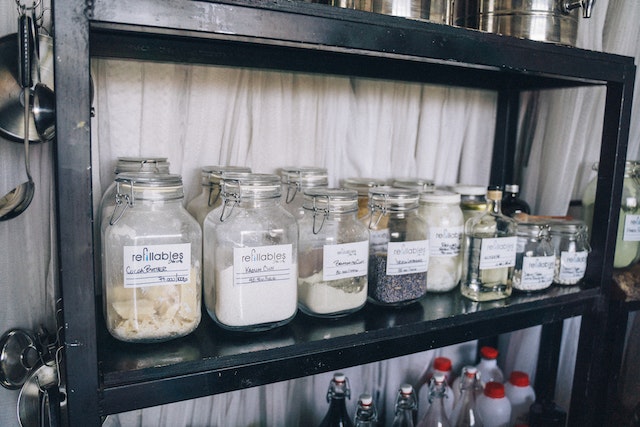
Choosing the proper containers for long-term storage is essential to ensure your food stays fresh and doesn’t spoil. When selecting containers, look for airtight, moisture-proof, and made from food-grade materials. Glass jars, plastic containers, and food-grade buckets are all good options.
Essential items for your survival pantry
In addition to food, you should include several essential items in your survival pantry. These include water, a water filtration system, a first aid kit, a fire starter, a flashlight, and a radio. Ensure you store essential household items like toiletries, cleaning supplies, and pet food.
Tips for organizing and rotating your food storage
Organizing and rotating your food storage is essential to ensure that your food stays fresh and doesn’t go to waste. When managing your food storage, create a system for keeping track of expiration dates and rotating older food to the front of your pantry. You should also store your food in a cool, dry place away from direct sunlight.
Creating a long-term food storage plan
Creating a long-term food storage plan is critical in preparing for emergencies and disasters. Start by determining how much food and supplies you’ll need to store. Consider the number of people in your household, any dietary restrictions, and the time you want to be prepared for. Then, create a budget and start building your pantry.
Recipes and meal planning for long-term food storage
Meal planning is an essential part of long-term food storage. Consider using recipes that incorporate your stored food items when planning your meals. This can help you rotate your food and ensure your pantry stays fresh. Consider investing in a cookbook or guide specializing in long-term food storage recipes.
Preparing for emergencies – what to do when disaster strikes
When disaster strikes, it’s essential to be prepared. Ensure you have a plan for evacuating your home if necessary and know where your emergency supplies are. Stay informed by monitoring the news and weather reports and following the instructions of local authorities. Finally, stay calm and remember that you’ve prepared for this situation.
The importance of being prepared for anything
In conclusion, long-term food storage is an essential part of survival planning. Building a survival pantry and mastering long-term food storage can ensure that you and your loved ones are prepared for anything. Consider shelf life and expiration dates, choose suitable containers, and stay organized. With some planning and preparation, you can be ready for whatever comes your way.


