


For those considering becoming a prepper, or at least becoming more prepared for a natural disaster, terrorist attack, or other disasters, there are a few things to consider first. It is critical to maintaining perspective and your chances of survival. Otherwise, learning to be a prepper can be overwhelming.
Most rookie preppers make a few expensive errors. It’s natural and to be expected when you’re starting. However, some prepping education can go a long way toward reducing the learning curve and getting you off to a good start.
A sensible first step is to stop worrying about guns and ammunition. You don’t need to go crazy buying assault rifles and tactical gear. Those things are entertaining and may make us feel safer, but they are only toys unless your priorities are in order.
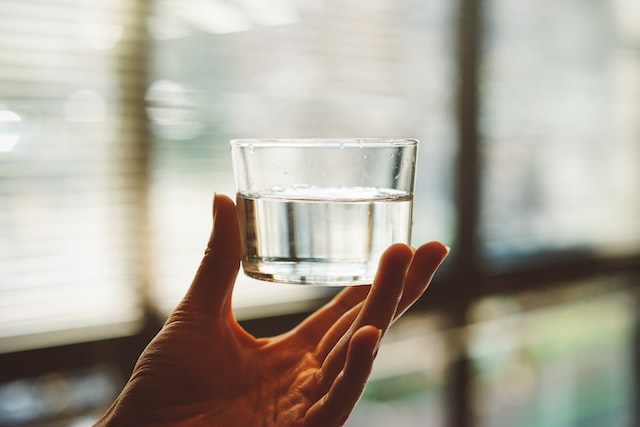
A source of clean drinking water must always be your number one priority! This statement probably sounds crazy to a city dweller who has never thought twice about turning on the tap and drinking to his heart’s content. However, if the power grid fails, the pumps at the water treatment plants will be unable to supply your tap.
Going three days without clean drinking water is far more dangerous than going without food. And when the water goes out in an urban “SHTF” (Sewage Hits the Fan) scenario, sanitation suffers, and cholera can break out. Forget the stuff you see in movies, focus on what you really need to survive.
Imagine that your clean water supplies are running low, and you decide to obtain your water from a local river or other underground sources. If you don’t know how to treat and clean it, then you risk contracting cholera. It can kill you in a single day by causing excruciating abdominal cramps and “explosive diarrhea.”
Without securing a 2-3 week supply of clean drinking water through storage or purification, you’re squandering your time with stockpiling firearms and ammunition. It’s critical to have your priorities in the correct order when your life or the lives of your family depend on it.
Besides clean drinking water, the next on your list is food. Stockpiling expensive freeze-dried survival food or MREs is another rookie mistake. While these foods have their uses, they should not be the primary focus of your food storage strategy.
Keep an extra supply of the foods your family regularly eats, such as pasta, rolled oats, rice, and instant noodles. Learn how to preserve foods such as vegetables and fruits. Canned food, such as soups and stews, are items you’ll eat regularly, so get them instead of MREs.
Learning these survival skills is far more likely to save your life than purchasing an AR-15 assault rifle. Regularly practice catching rainwater, boiling it, and then storing it. Also, practice with your water filtration and purification straws. Ensure you know how they work.
There is a lot to learn when starting on your prepping journey. Don’t get fooled into purchasing unnecessary equipment. Begin by learning to secure a safe drinking water supply, then move on to stocking and storing food. These aren’t as flashy as guns and camouflage tactical gear, but they’ll save your life.


