Experienced preppers will quickly tell you a bug-out plan is more important than packing a bug-out bag. You can escape danger with or without a survival kit if you have a plan. We’ll look at how to execute a bug-out or strategic evacuation to improve our survival preparedness.
Before putting together your bug-out strategy, consider the following:
1. What Natural Disasters Are Most Likely To Strike Your Region?
To be ready to survive, one must be aware of what has happened in the past. Is your region prone to flash floods? Do you live in an earthquake-prone area? Have terrorist attacks targeted your town or city? When developing your strategy, keep the following factors in mind. They may immediately eliminate some options or improve others.
2. What Are Your Strong And Weak Points?
Taking these into account can help you adapt your bug-out plan to complement your strengths, mitigate your weaknesses, and increase your chances of survival. Are you physically fit? That’s fantastic; you’ll be able to carry more survival supplies and plan a longer route. Do you know how to administer survival first aid? This could be critical if one of your group members is injured.
Identifying your shortcomings can help you learn what survival skills you need to practice. Can you regularly start a fire? Can you find your way at night using a map and compass? Are you familiar with the local flora and fauna? Your bug-out plan will benefit from learning these items and other survival skills. Remember that the more skills you possess, the less gear you’ll need to bring.
3. Consider Several Potential Locations
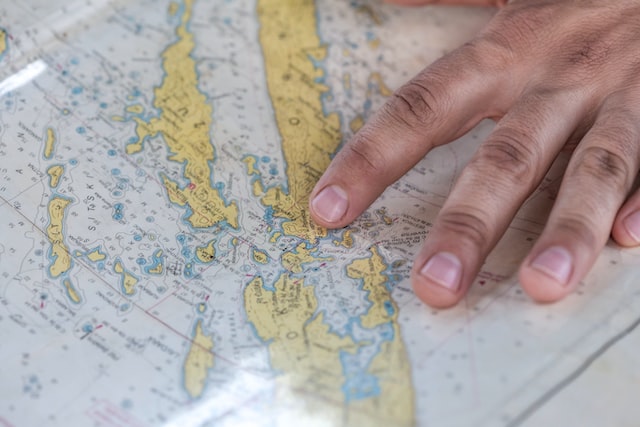
Include at least four locations in your bug-out strategy, one for each of the four cardinal directions on the map, as this is the optimum method for survival planning (North, South, East, West). Geographical factors and the chance of particular events occurring can help to focus on this.
For instance, if you reside on the western bank of a river and are preparing for a flood, you wouldn’t think about bugging out to the east bank. The different routes and destinations you are considering must be carefully planned. With this preparedness approach, you will be ready for any calamity fate hands you.
4. Plan Specific Destinations
Having a specific destination in your bug-out plan gives you something to aim for as you travel. This will have a significant psychological impact on your survival scenario. Even in the best circumstances, survival is complex, and a positive attitude significantly affects one’s chances of success.
Specific destinations, such as a second home, relative’s house, or designated camp, also allow the storage of survival supplies at the location and on the route. Aside from providing a significant psychological boost, this will significantly increase your chances of survival and reduce the amount you have to carry.
If none of these options are available, search for public facilities or designated shelters. Whatever it is, having a destination is an essential component of your bug-out plan.
5. Determine How Quickly You Will Be Able To Travel
The planning of a route depends on this. If you can figure out your average travel speed, you’ll be able to estimate how many hours or days it will take to get there. Doing this lets you determine how much survival gear and supplies you’ll need. Your average trip speed will be most significantly impacted by the factors listed below:
Weight of your Bug-Out Bag – A typical person should not carry more than 25% to 30% of their body weight in a backpack. More is possible but extremely difficult; plan your bug-out bag accordingly.
It is even better to test carry your bag over a significant distance while preparing it. You must be able to take your pack for several hours, if not days. Bringing too much weight will hinder your progress; only take what you require to survive.
The Terrain You Will Traverse – Over flat ground, the average walking speed with a pack is 2.5-4 miles per hour. When planning your route, you must consider the terrain you will encounter. People frequently believe that hiking downhill is more manageable than hiking uphill.
This is usually not the case because hiking downhill with a pack requires extra caution to maintain proper footing and brace your steps. Will you be navigating through rubble or need to cross a body of water? Plan a realistic pace as part of your survival strategy to improve your chances.
Fitness – Someone who is physically fit can move farther than someone who is not. Consider this trait realistically; survival has no place for egos. Make preparations if it’s been a while since your last run.
It is crucial when creating a bug-out plan that you practice it beforehand. It will reveal your weaknesses. Thus, you can handle them before they develop into a liability. Start by going for walks or runs if you feel your plan will benefit from increased fitness, and work your way up to conditioning your body to trek with a pack on.
The Makeup Of Your Traveling Group – When developing a bug-out plan, you must consider if you’ll be traveling with older adults, children, or infants.
If you are, you should include additional resources and time required to assist them in your survival travel plans. Plan your routes based on how far you expect to travel at the pace of your party’s least fit-mobile member.
Additional Considerations for Your Bug-Out Plan
Pack an extra waterproof or laminated map with your route and destination. It is also beneficial to keep landmarks along the way to aid navigation.
If you plan to bug out with others, make a meeting point for everyone. Doing this ahead of time avoids a sticky situation in which you are all wasting valuable time desperately trying to contact each other when you should be on the move.
Bring a list of emergency phone numbers for friends, family, and government agencies. This will allow you to stay in touch and keep up with the disaster unfolding.
Although it may appear obvious, USE YOUR BUG-OUT BAG to make your journey easier. This could entail using your hatchet to make a shelter or a pry tool to open a door to gain access to a shortcut.
There is no use in organizing, putting together, and carrying excellent survival gear if you are not going to use it. Have you ever gone on an outdoor trip with a friend who brought numerous unnecessary gadgets? Don’t be that person. You’ll want to avoid carrying unnecessary equipment in a struggle for survival.
Find a spot to stay two to three hours before sundown. Although you might not enjoy giving up so much travel time, doing so will enable you to locate a secure, dry location for camping, prepare food and water, and erect your tent.
A 160-pound person will expend over 400 calories while hiking for an hour and over 500 if they carry a full backpack. In terms of effort, this is similar to running or aerobics. Consider including rest stops and strategies for remaining hydrated and fed in your survival plans.
Final Thoughts
Developing a bug-out plan is critical to your overall survival planning. Using these suggestions to create a simple, effective disaster preparedness plan will prepare you and your loved ones to survive when disaster strikes.