


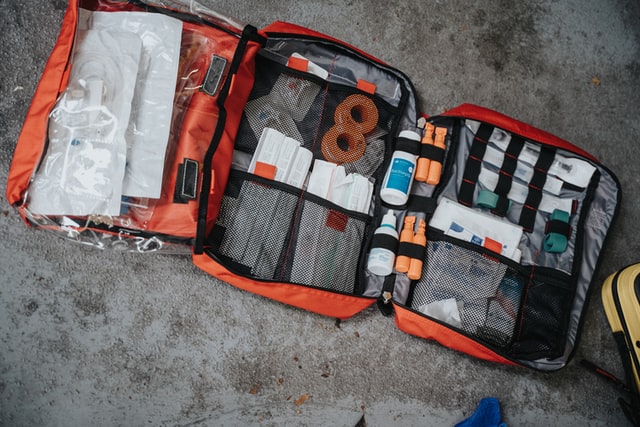
When you become a parent, one of your top priorities is keeping your family safe and healthy. One way to do this is by assembling a first aid kit for your home.
What You Need and How to Put It Together
A kit like this can differentiate life and death in an emergency. You never know when you’ll need to treat a severe wound or take care of someone who’s choking. The kit should include many different supplies such as bandages, medications, and treatments.
To help you get started, we’ve compiled a list of essential items that should go into every kit. Our goal is to ensure that nothing is missing to keep your family safe and healthy. Read on for more details!
Here’s Our Checklist Of Essentials For A Family First Aid Kit…
– Antiseptic wipes or a bottle of alcohol
– Gauze pads and bandages in assorted sizes
– Tweezers, scissors, and a first aid manual
– Ibuprofen (Advil) and acetaminophen tablets (Paracetamol)
– Antibiotic ointment
– Zinc tablets
– Anti-diarrheal (Imodium)
– Antacid (Rolaids)
– A thermometer
– Hydrocortisone cream
– Acetylsalicylic acid (ASA) to help with pain relief
– Hot/cold pack for swelling
– Insect sting relief pads
– Splinter remover or tweezers to remove splinters
Additionally, you may want to include the following items:
Sunburn lotion, Antihistamine cream, Disposable gloves, Insect repellant, Ammonia inhalants (for smoke inhalation), and Alcohol prep pads (to clean wounds).
Lets Dig Deeper – Putting Together Your Own Kit
It’s essential to assemble a home first aid in advance, so you don’t have to scramble to find what you need at the moment. You’ll want to start with a quality kit with many different supplies, like bandages, pain medications, and treatments.
Understanding What’s in Your Home First Aid Kit
You never know when you’ll need to treat a severe wound or take care of someone who’s choking. The kit should include many different supplies such as bandages, medications, and treatments.
– Bandages: Be sure to have a variety of sizes, shapes, and types.
– Antibiotic ointments are the best way to prevent infection from cuts and scrapes.
– Pain relief medication: You’ll want something for headaches, muscle aches, cramps, fever, and other pains.
– Hydrocortisone cream: This is an excellent option for skin irritations like poison ivy or bug bites that itch too much to sleep at night.
– Burn remedy: You might not think this could happen, but it does in accidents in the kitchen so be sure to have a burn treatment on hand. If you don’t have a burn remedy in your kit, consider including some ice packs because they can relieve swelling or burns.
– Tweezers: They come in handy when removing slivers or other small objects from your skin.
– Scissors: Super handy for cutting bandages, trimming band-aids, and many other things.
– Nasal decongestant spray is excellent for relieving congestion from colds and allergies when over-the-counter medicines aren’t working.
Bandages
Bandages are the most basic and necessary item in a first aid kit. You can use them to cover wounds, stop bleeding, and more. Bandages come in many different shapes and sizes, so it is essential to find one that will work best for you and your family.
There are plenty of options for bandages, such as adhesive, gauze, cloth, or waterproof varieties. Knowing what kind of bandage will be the most useful for your situation is essential.
Family Medicines
Any emergency kit should include a variety of essential medicines. You should have medications for pain, allergies, motion sickness, diarrhea, and coughs. It would help if you also had over-the-counter medicines for fever reducers and cold treatment. It’s always a good idea to have some prescription medication on hand. Just remember to pack the proper dosage for your family members!
Other Items to Seriously Consider
Another thing you should keep in your first aid kit is a list of emergency phone numbers. You’ll want to include the number for poison control, an ambulance, and any other number that you think will be important in an emergency.
Additionally, you must include family members with allergies or medical conditions in your list of emergency contacts. For example, if someone has anaphylactic reactions or asthma, you’ll want to ensure they have access to their medication and the number of their doctor.
Along with everything mentioned above, you should keep a copy of your family’s medical history in your kit. This is especially important if anyone has specific health needs like diabetes or heart disease.
Another item that should be included in every kit is a list of allergens and medications that each family member can’t live without. It’s also good to have any food items that may be necessary when cooking for someone who can’t eat anything else.
We hope this guide has helped you discover the essentials of a family first aid kit and given you some ideas about what to include and how to put it all together. With a bit of research and preparation, you can ensure your family is safe and sound in case of minor injuries.
Side note: We also highly recommend that you do a first aid course once a year to keep your skills current and active. Practicing skills like this regularly can save lives.


