


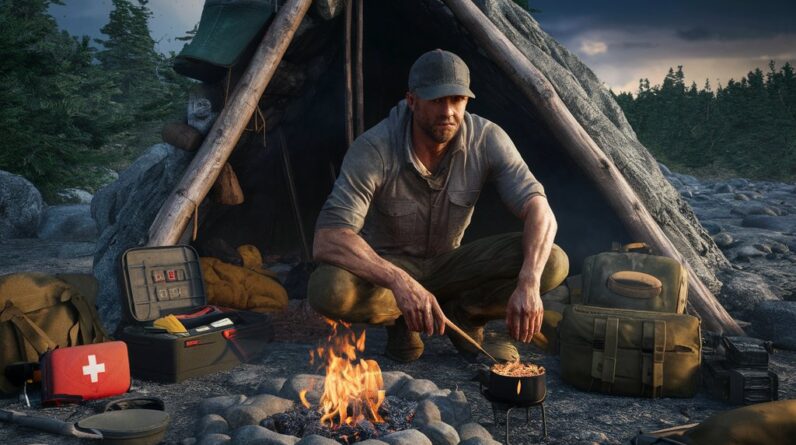
7 Essential Survival Skills for Crisis Preparedness: Master These Life-Saving Techniques
In a world where unpredictability is the only constant, being prepared for emergencies is not just an option—it’s a necessity. Whether you’re facing a natural disaster, societal unrest, or any other crisis, your survival depends on one thing: your survival skills. These skills are not just about knowing what to do; they are about practicing until your response becomes instinctive, ensuring you can handle whatever life throws your way.
Below are the seven essential survival skills every prepper must master to ensure safety and preparedness during a crisis.
Master First Aid Skills: Your Lifeline in Any Crisis
In a crisis, injuries are almost inevitable. From minor cuts and scrapes to life-threatening wounds, knowing how to administer first aid can save lives. The American Heart Association’s 2024 guidelines emphasize the importance of high-quality chest compressions during CPR and refer to the Heimlich maneuver as “abdominal thrusts.” Make sure your knowledge of these recommendations is up to date.
Why First Aid Skills Matter:
Immediate Response: When medical help is delayed, your first aid skills are the first line of defense.
Life-Saving Techniques: High-quality CPR and the correct application of abdominal thrusts are critical survival skills you must master.
Preparedness: Stock a comprehensive first aid kit at home and in your bug-out bag. Learn to treat wounds, apply tourniquets, and manage burns effectively.
Example: A Real-World Scenario
Imagine you’re in a remote area during a hiking trip, and a member of your group suffers a deep laceration from a fall. With no immediate access to medical facilities, your ability to stop the bleeding and prevent infection becomes crucial. By having first aid training and a well-stocked kit, you can stabilize the injury until help arrives, potentially saving a life.
Actionable Tip:
Take a wilderness first aid course to prepare for scenarios where professional medical help may be far away. These courses often cover unique challenges that can arise in remote environments.
Internal Link: Learn more about essential first aid techniques in our Comprehensive First Aid Guide for Preppers.
External Link: For the latest first aid guidelines, visit the American Heart Association.
How to Build a Fire: The Ultimate Survival Technique
Fire building is the cornerstone of survival—it provides warmth, a means to cook food, purifies water, and offers protection. With new fire-starting tools like “Pyro Putty,” you can build a fire even in the most challenging conditions.
Why Fire Building is Crucial:
Warmth and Safety: A fire can prevent hypothermia and keep wild animals at bay.
Cooking and Water Purification: Boiling water and cooking food are essential for maintaining health in a crisis survival situation.
Step-by-Step Guide: Building a Fire in Wet Conditions
Gather Materials: Look for dry tinder, such as dry leaves, bark, or small twigs. If the ground is wet, dig down until you find drier layers of earth.
Build a Base: Use larger pieces of wood or stones to create a raised platform. This keeps your fire off the wet ground.
Create a Tinder Bundle: Form a loose bundle with your dry tinder material.
Add Kindling: Place small sticks and twigs on top of the tinder bundle, arranged in a teepee shape to allow airflow.
Ignite: Use your fire starter kit to ignite the tinder. Blow gently at the base to help the fire catch.
Feed the Fire: Once the fire is established, gradually add larger pieces of wood.
Example: Lessons from the Wilderness
Many survival experts, such as Bear Grylls, emphasize the importance of practicing fire-building in all weather conditions. One story from Grylls’ experience in the Amazon rainforest involved creating a fire under torrential rain by using natural resources like tree sap as an accelerant. This shows the importance of creativity and adaptability in survival situations.
Actionable Tip:
Practice building a fire in your backyard using different materials and under various conditions. This practice ensures you’re prepared to start a fire no matter what nature throws at you.
Internal Link: For a deeper dive into fire-starting methods, check out our Ultimate Fire Building Guide.
External Link: Learn more about fire safety and techniques from the National Park Service.
Water Purification Tips: Ensure Safe Drinking Water in Any Situation
Water is essential for life, but during a crisis, clean water can be hard to find. Drinking contaminated water can lead to serious illness, making water purification a critical survival skill.
Consider upgrading to the “Grayl Geopress,” which filters out viruses, bacteria, and protozoa, providing a more comprehensive solution than older methods.
Why Water Purification is Vital:
Health and Safety: Purifying water prevents diseases such as cholera and dysentery.
Versatility: Purified water is not only for drinking but also for cooking and personal hygiene.
Case Study: The 2010 Haiti Earthquake
After the devastating earthquake in Haiti, access to clean drinking water became a significant challenge. Many survivors had to rely on contaminated water sources, leading to outbreaks of cholera. Relief efforts included distributing water purification tablets, which played a crucial role in preventing the spread of waterborne diseases. This case underscores the importance of being prepared with effective water purification methods.
Actionable Tip:
Always carry a Lifestraw or portable water filter in your survival kit. These tools are lightweight, easy to use, and can save your life in a situation where clean water is scarce.
Internal Link: Explore more about water storage solutions in our Water Storage for Long-Term Survival article.
External Link: For more on emergency water treatment, see the CDC’s Water Treatment Guide.
Shelter Building 101: Protect Yourself from the Elements
In any survival situation, shelter building is paramount. Whether you’re stranded in the wilderness or need to protect yourself from extreme weather, knowing how to build a shelter can keep you safe and comfortable. New shelter options like the “SOL Escape Bivvy” provide lightweight, insulated protection against the elements, making them an excellent choice for emergency preparedness.
Why Shelter Building is Non-Negotiable:
Protection from the Elements: A well-constructed shelter shields you from wind, rain, and cold.
Rest and Recovery: Having a safe place to sleep helps maintain your energy and morale.
Example: Building a Debris Hut
If you find yourself without a tent, a debris hut is an effective emergency shelter. By using branches, leaves, and other natural materials, you can create a structure that insulates against cold and wind. This type of shelter is particularly useful in wooded areas where materials are abundant.
Step-by-Step Guide: Building a Debris Hut
Select a Location: Choose a site that is flat and dry, preferably near a water source but away from potential hazards like falling branches.
Find a Ridgepole: Look for a long, sturdy branch to serve as the spine of your shelter.
Build the Frame: Lean smaller branches against the ridgepole on both sides to form a triangular frame.
Insulate: Cover the frame with leaves, pine needles, and other debris to create a thick, insulating layer.
Entrance: Leave a small opening for entry, but ensure it’s easily coverable to retain heat.
Actionable Tip:
Practice building a debris hut or other natural shelters during camping trips. The more you practice, the quicker and more efficiently you’ll be able to construct a shelter when you need it.
Internal Link: Discover various survival shelter options in our Shelter Building Basics guide.
External Link: Check out the Red Cross’s Guide to Emergency Shelters.
Firearm Self-Defense: Protecting Yourself and Your Family
In a crisis, when law enforcement may not be readily available, being able to protect yourself is critical. Owning a firearm for self-defense can give you the security needed to survive dangerous situations. In recent years, “force-on-force” training has become popular, offering scenario-based training that simulates real-life threats using non-lethal munitions. This type of training prepares you for high-stress situations, making your self-defense skills more effective.
Why Firearm Proficiency is Essential:
Self-Defense: A firearm is one of the most effective tools for personal protection during a crisis survival situation.
Hunting: In extended survival scenarios, firearms can also provide a reliable source of food.
Case Study: Home Defense During Hurricane Katrina
During Hurricane Katrina, many residents were left to fend for themselves amid widespread looting and civil unrest. Those who were armed were better able to protect their homes and families from potential threats.
This situation highlighted the importance of being prepared for self-defense in extreme circumstances.
Actionable Tip:
Regularly attend shooting ranges to maintain and improve your firearm skills. Consider taking advanced self-defense courses that include “force-on-force” training to prepare you for high-stress situations.
Internal Link: Find out how to choose the best firearm for your needs in our Firearm Selection Guide for Preppers.
External Link: For more on firearm safety, visit the NRA’s Safety Page.
Physical Fitness and Self-Defense: The Foundation of Survival
Survival is as much about physical endurance as it is about skills. Being physically fit ensures you have the stamina and strength to handle the physical demands of a survival situation. High-intensity interval training (HIIT) continues to be a highly effective regimen for building endurance and strength. Additionally, self-defense systems like “SPEAR” (Spontaneous Protection Enabling Accelerated Response) have gained popularity for their focus on natural body reactions to threats.
Why Fitness and Self-Defense Matter:
Endurance: Physical fitness enables you to walk long distances, carry heavy loads, and perform strenuous tasks.
Self-Defense: Knowing how to defend yourself without weapons is crucial in close combat situations.
Example: Preparing for a Bug-Out Scenario
Imagine having to evacuate your home quickly due to a natural disaster. You may need to hike for miles with your bug-out bag to reach a safe location. If you’re not physically fit, this task can become overwhelming and dangerous.
Actionable Tip:
Start a fitness regimen that includes both cardio and strength training. Include hikes with a loaded backpack to simulate real-world bug-out scenarios. Additionally, enroll in a self-defense class that focuses on practical techniques like Krav Maga or SPEAR.
Internal Link: Start your survival fitness journey with our Prepper Fitness Program.
External Link: Explore the SPEAR System for practical self-defense techniques.
Preparing Simple Meals: How to Cook in a Crisis
In a survival scenario, access to food might be limited, and the ability to prepare simple, nutritious meals is vital. Knowing how to cook with limited resources will keep you and your family sustained. Products like “ReadyWise” freeze-dried meals are now widely recommended for emergency food storage due to their long shelf life, ease of preparation, and nutritional content. They are lightweight and ideal for bug-out bags or long-term storage.
Why Meal Preparation is a Key Survival Skill:
Nutrition: Simple meals that are rich in carbs and protein will provide the energy needed to endure a crisis.
Resource Management: Learning to stretch your food supplies ensures you can last longer in survival conditions.
Step-by-Step Guide: Cooking with a Camping Stove
Gather Ingredients: Focus on non-perishable items like rice, canned beans, and dehydrated foods.
Set Up the Stove: Ensure you’re in a well-ventilated area and set up your camping stove on a stable surface.
Boil Water: Start by boiling water, which can be used for cooking rice or rehydrating meals.
Cook Your Meal: Combine your ingredients in a pot and cook them over the stove until heated through. Keep it simple to conserve fuel.
Example: Cooking in a Crisis
During the California wildfires, many evacuees relied on simple, shelf-stable foods to sustain themselves. Those who had portable cooking equipment were able to prepare warm meals, which boosted their morale and kept them nourished during a difficult time.
Actionable Tip:
Practice cooking simple meals with your camping stove at home. Familiarize yourself with using minimal resources so you’re prepared to cook under any circumstances.
Internal Link: Get more meal ideas in our Top 10 Survival Recipes post.
External Link: For more on emergency food storage, visit Ready.gov’s Food Storage Guide.
Expanding Your Survival Skillset
While these seven survival skills are essential, they’re just the beginning. As you become more proficient, consider expanding your skillset to include navigation, knot-tying, hunting, fishing, survival gardening, and bushcraft. Each skill you master increases your chances of not just surviving but thriving in any situation.
Preparation is a continuous journey. Start practicing these skills today, so that when the unexpected happens, you’ll be ready to face it head-on.
If you found this guide helpful, don’t keep it to yourself! Share it with your friends and family to ensure they are as prepared as you are. Have any tips or experiences of your own? We’d love to hear them! Leave a comment below and let’s get the conversation started.
Looking for more survival tips? Explore our other guides and articles on related topics, and don’t forget to subscribe to our newsletter for the latest survival strategies, gear reviews, and more!
By staying engaged and connected, we can build a community of prepared individuals ready to tackle whatever comes our way.
Share. Comment. Explore. Together, we can ensure that no one is caught unprepared.


